Halloween III: Season of the Witch is not a great film, but it certainly is a breath of fresh air. In 1982 Hollywood was still figuring out how these horror franchises would work. John Carpenter opted to continue his seminal Halloween via a direct sequel, retconning the ending just a tad so Michael Myers survived and retconning the entire raison d’être to make him Laurie’s brother. Not a great idea, but his best idea came with the third movie when he agreed to continue the series only if Michael didn’t return. So they hired one wonderful director, who left the project in the lurch, they brought on a competent helmer who would go on to direct the original It, and a new experiment in horror was off and running.

Halloween III has nothing to do with the Michael Myers story. He’s dead, and the prior events only exist in-universe on a TV broadcast of the original film. Following Halloween movies would theoretically continue as stand-alone films, all thematically tied to the holiday of Halloween. In III, a hard-drinking, womanizing doctor who sees a bit too much one night at the ER investigates a company town whose company makes Halloween masks and creepy, annoying TV commercials. Those wildly popular masks are all ticking time bombs and the final annoying commercial will be the one that wipes out so many of the nation’s children.
Why? Who knows! Very little makes sense about the Silver Shamrock Novelties company’s plan. Specifically how and why are android replacements involved if the children aren’t replaced but instead leak bugs and snakes from their orifices? How does a stolen piece of Stonehenge activate the mask?
Doesn’t matter! What does matter is that, despite its flaws of which there are several, this is a wonderfully nasty piece of early ’80s horror and a sort of sliding doors moment for Hollywood studios. Maybe there’s a 2-hour version of this where all those earlier questions are answered, but even at a relatively tight 100 minutes, this is a DRAGGING movie. The skulking around through the final act takes forever. There’s a love story that adds nothing beyond making the main character even more unlikeable.
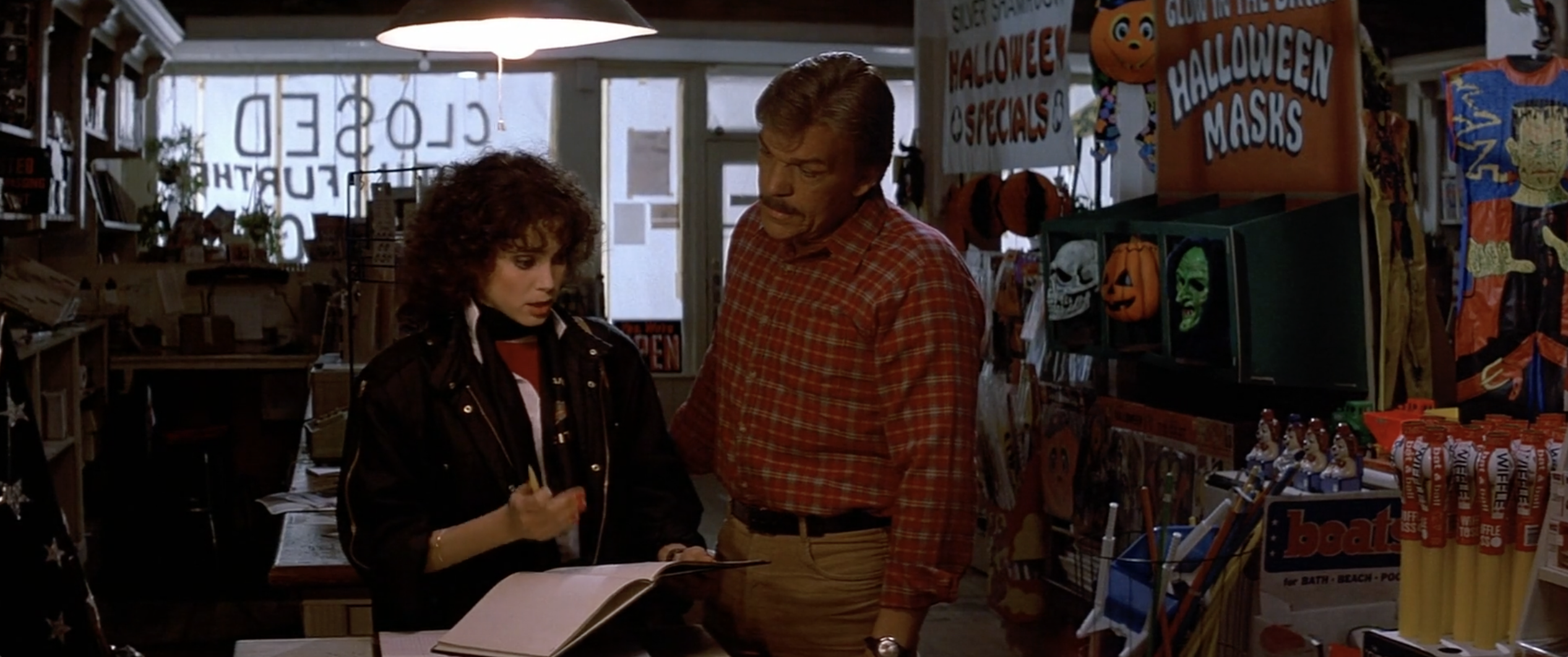
So, sure, it’s not perfect. But it works. And it performed OK in theaters, making back $14 million on a $2.5 million investment. But like they always do, the suits demanded the same old bullshit. So we were subjected to an awful trilogy, a Rob Zombie reboot, and finally a mercy killing returning the franchise to its roots. Nearly all future horror franchises would continue in a similar vein, with initial success and diminishing returns as the sequels tepidly tweaked the same formula with little sense of adventure or panache. (We’re guaranteed to see the same pattern hold with Barbie, as studios assume the lesson to be learned is that audiences want endless Mattel adaptations, not that previously ignored demographics can make movies wildly successful.)
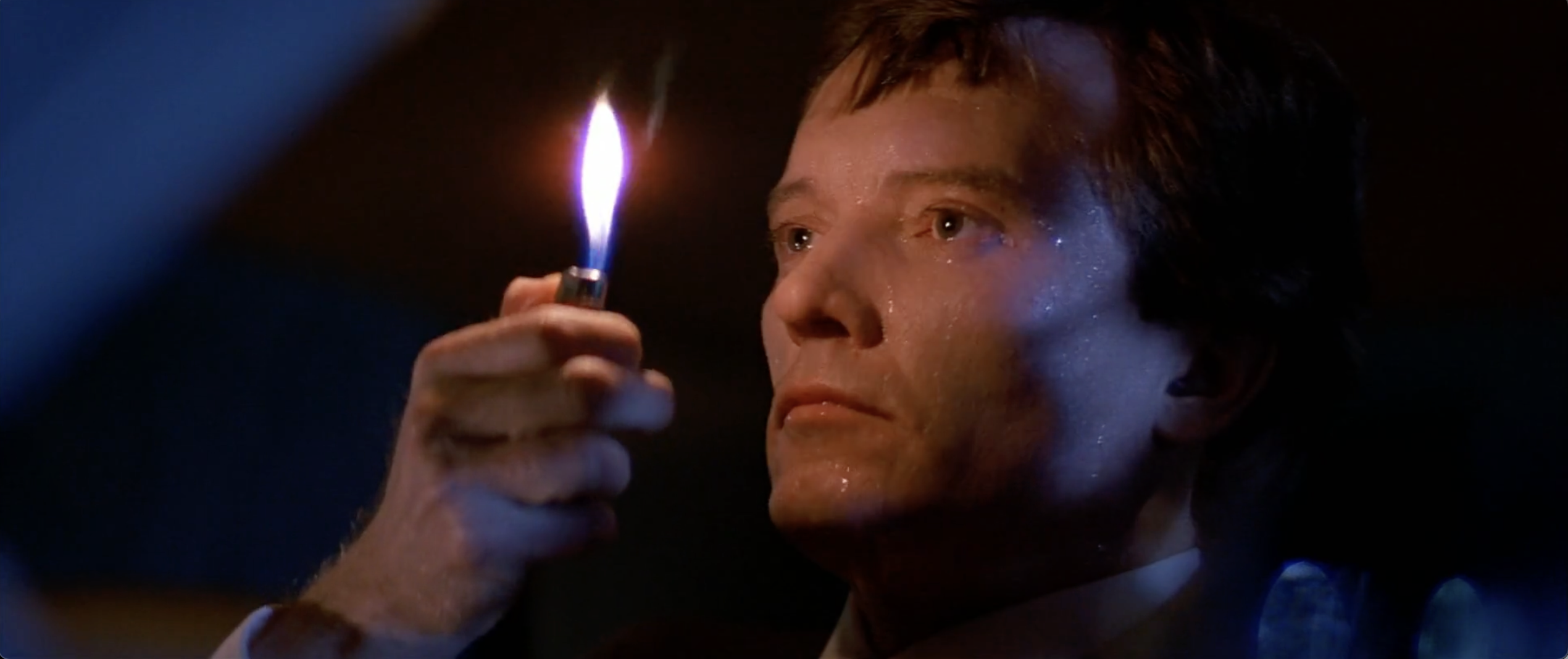
But let’s take this one on its own merits. It’s an entertaining film! It’s nothing new; the 1970s and early ’80s were a goldmine for morality plays on the excesses of consumer capitalism. This one does the trick of combining the replacement people idea with the evil capitalist killing its consumers for… reasons. It’s unclear, to be honest, but the evil-coded capitalists are certainly evil. And Dr. Challis (Tom Atkins) has plenty of time to investigate while avoiding his wife and kids. He hits the road with the pretty young daughter of a man murdered for knowing too much, and before you know it, they’re rooting out the evil corporation while rooting each other. Yeah, that was pretty unnecessary, but it’s the ’80s, what can you do. (She remains a character for little reason other than to provide a bit of a stinger at the end.) The story goes on roughly as you’d expect until we return to where it all started, and the good guys win. Or do they…!
Time has been kind to this film, and I fully get why. The usual tastemakers at the time despised the film when it came out because they truly don’t get why horror movies work. For instance Roger Ebert, who I love dearly but did unspeakable damage to a genre he never should have been reviewing in the first place, hated the film except for Stacey Nelkin’s performance (I can give you precisely two reasons he liked her so much). Specifically critics felt it was made up of disparate elements that other horror films have already done. By that standard virtually everything since F. W. Murnau is a ripoff. Just like all philosophy is a commentary on Plato, all horror films are tweaked versions of certain elemental nightmares, and a our current nightmare, of out-of-control corporate greed, remains a pretty potent source of inspiration, no matter if we’ve seen it all before, from The Stuff to Soylent to They Live to Jurassic Park to The Road and on and on down the line.
At the end of the day, at least we got this weird little gem to freak us out every Halloween.
 BradleyHerring.com
Leave a comment